



Ross Optical today announced that it has successfully passed the surveillance audit against the ISO 9001:2015 Standard with no non-conformances. The audit was completed by Perry Johnson Registrars, Inc. This certification affords the company’s U.S. and international customers a globally recognized standard of quality assurance. Ross Optical achieved ISO 9001:2015 certification in January of 2018.
Read More >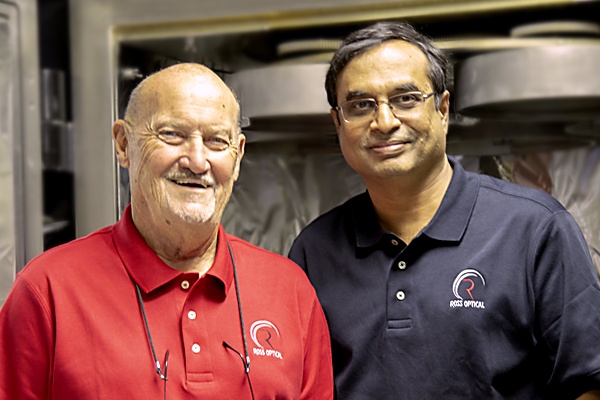
Ross Optical is celebrating its 30thanniversary this year. We sat down with Ed Ross, founder, and Divi Mangadu, president, to talk about the last 30 years and what is next for the company.
Read More >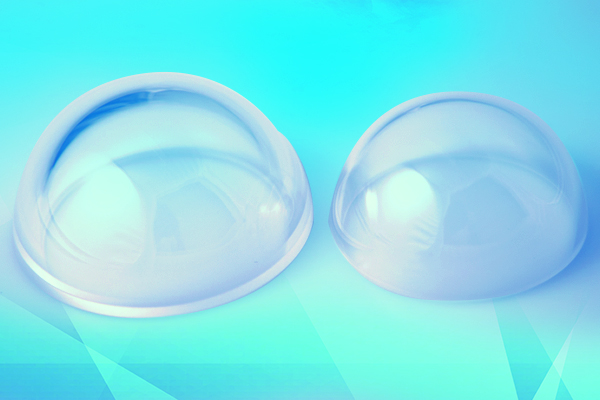
A "dome" is an optical element that features a concave internal surface that is precisely matched to a convex exterior surface so that the interior and exterior surfaces are parallel and equally spaced over the entire optical element. The most common use of a dome optic is as a protective window from water, wind, radiation, or debris. Chemical and mechanical stability make glass and acrylic very popular materials for domes. Domes of this type are used for applications such as security systems, remote-controlled vehicles (such as the Mars rovers!), solar radiation sensors, underwater photography, and submarine portals. Dome windows are preferred over flat windows for four reasons:
Read More >
Medical technologies are becoming increasingly miniaturized and mobile. This trend is changing the landscape of healthcare and making advances in telemedicine, wearables, and mHealth (mobile health) possible. These technologies include:
Read More >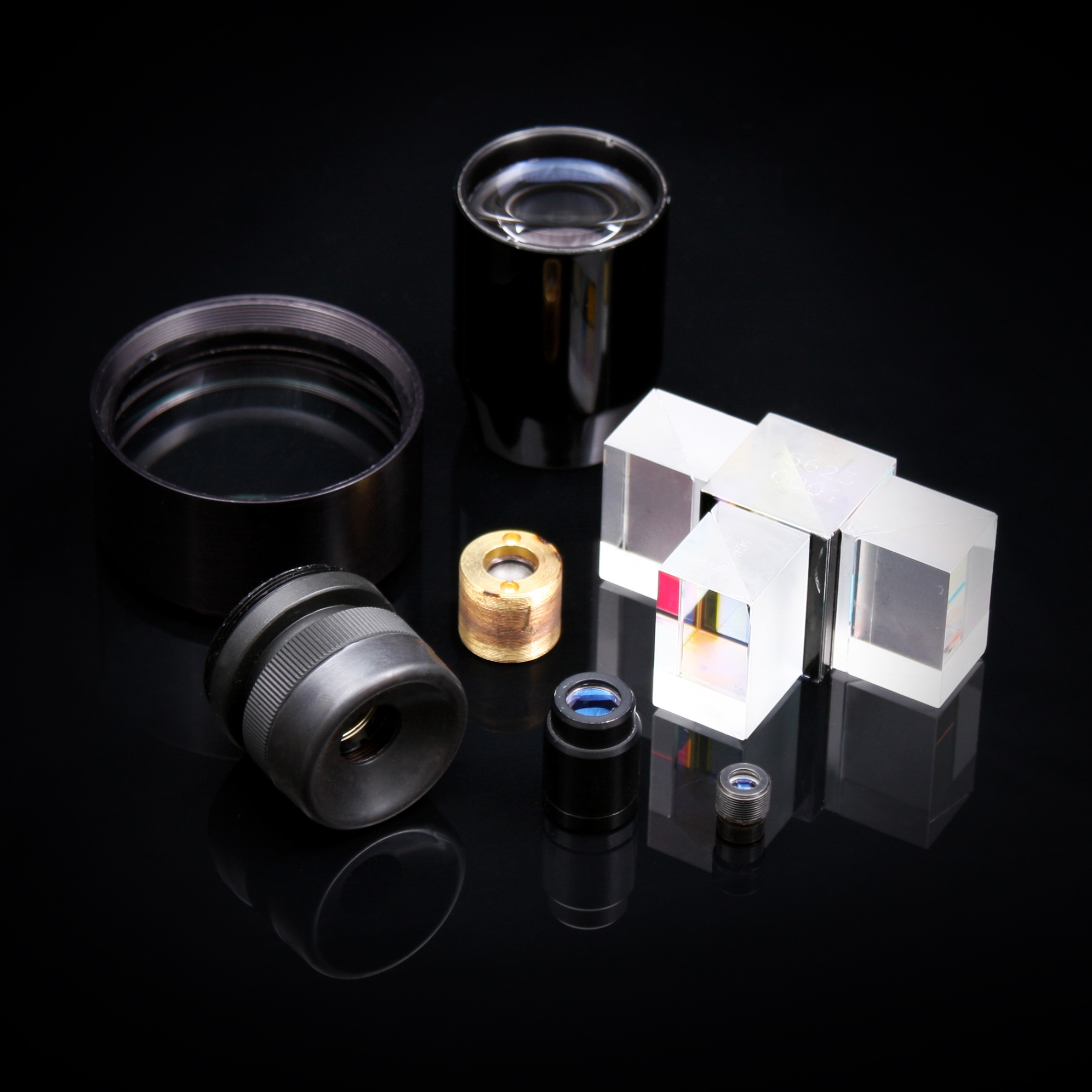
According to KPMG, only 1 in 5 companies say that their supply chain is deployed and optimized to keep pace with customer needs. Supply chain optimization can seem like a daunting task, especially with the long lead times in the optical lens and assembly industry. But it can have a huge reward in cost savings.
Read More >
This article is the last of our three-part series on optical design secrets. In previous

We are helping to collect healthy food for the Mujer Saludable, Familia Feliz. Want to help out by donating? There are two ways to help:
Read More >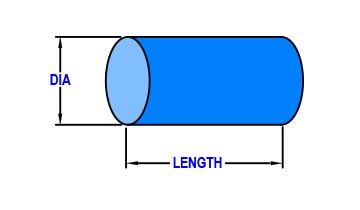
A previous article explored applications of cylinder lenses. In those examples, the lenses were only curved on one side—the other side was flat (i.e. "plano-"). Cylinder lenses can be curved on both sides, though, creating a "rod lens." Rod lenses are unique in that they can be used either side-on or end-on depending upon the application. Here are three examples of their versatility.
Read More >
This article is the second in our three-part series on "secrets" that good optical designers must understand in order to become great. These tips are things that you can only learn from experience---or reading these articles!
In this article, we identify some of the supply-side challenges that optical designers face and offer some solutions. This knowledge will help you develop and protect your supply chain.
Read More >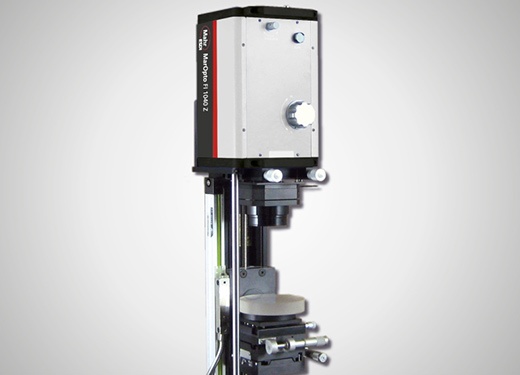
Ross Optics continues to focus on providing micro optics for our customers. We recently improved our capabilities with the purchase of a
MarOpto FI 1040 Z.
The MarOpto FI 1040 Z
is a full-featured interferometer that can provide non-contact measurements of flat or spherical surfaces and transmitted wavefront of optical components and assemblies. This machine has the following capabilities:
Read More >