



This article is the first of a three-part series on aspects of design that are sometimes overlooked in optics courses. Optical design is often as much art as science. However, it is not magic! Like any art or science, skill in the trade comes only with experience and practice. That said, you can save time by learning from the experience of others.
Read More >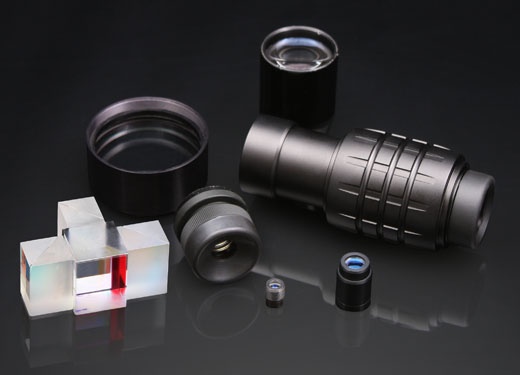
The optical assembly process is often treated as an afterthought of the design process; however, once a product has gone into production, assembly becomes a dominant cost. Designing for ease of assembly becomes a considerable cost-saver in the long run. Below we offer three important points to consider as you develop a product.
Read More >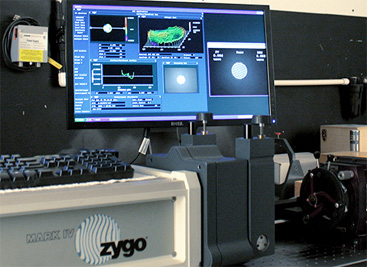
Our series explains how Ross Optical can help you reduce lead time on your orders. This article will explain the three factors that most impact lead time for optical components:
- Choice of materials
- Method of fabrication
- Method of testing
While these three factors impact any manufacturing process, they present unique challenges in optical manufacturing.
Read More >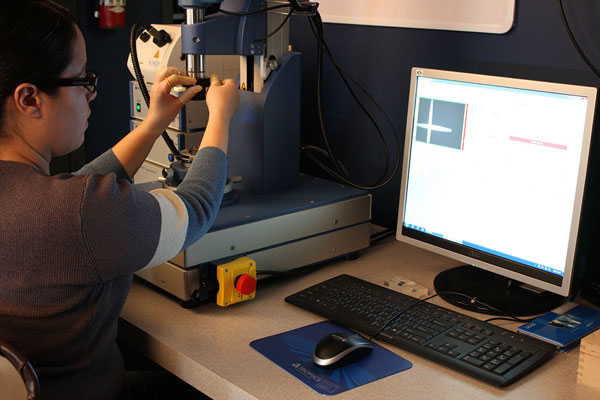
In the design of any optical system, managing cost versus performance is always a challenge. When faced with this challenge, it is important to realize that properly tolerancing the design is every bit as important as the design itself.
Read More >
For companies struggling with supply chain dilemmas, one of the solutions we offer is blanket purchase orders to help ensure a reliable stream of components. To understand whether a blanket purchase order is right for you, you need to understand how they work.
Read More >
Demand for infrared optical elements has extended beyond just lens assemblies and hot/cold mirrors. Specifically, there is growing interest across the optical industry for bandpass filters, achromats, athermal elements, and polarizing waveplates. The demand spans all IR wavelength bands—near IR (0.75 µm to 1.4 µm), short-wavelength IR (1.4 µm to 3 µm), mid-wavelength IR (3 µm to 8 µm), and long-wavelength IR (8 µm to 15 µm). Advances in sensor and source technology, as well as a changing marketplace, are driving this growth. Demand from three industries stands out as particularly noteworthy:
Read More >
This international certification will save customers time during the qualification stage of the procurement process.
Read More >

Charlie has been in the optics business for over 40 years and with Ross for 8. With a background in industrial engineering, Charlie enjoys interacting with engineers in their element—getting out on the shop floor and talking technical details in order to help customers manufacture better products.
Read More >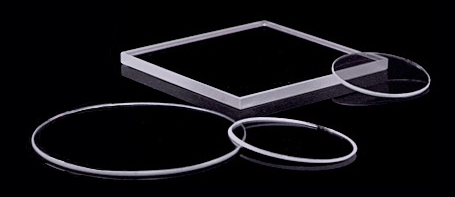
What is super-polishing?
Super-polishing is a new classification for optical surface quality, sometimes referred to as "atomically smooth." By this we mean surface roughness features that can be measured in Angstroms, which are ten times smaller than nanometers. A single hydrogen atom is roughly 1 Å in diameter, so super-polishing really is “atomic.” By comparison, a λ/100 specification is 6 nm.
Read More >